
Ground-supported walls
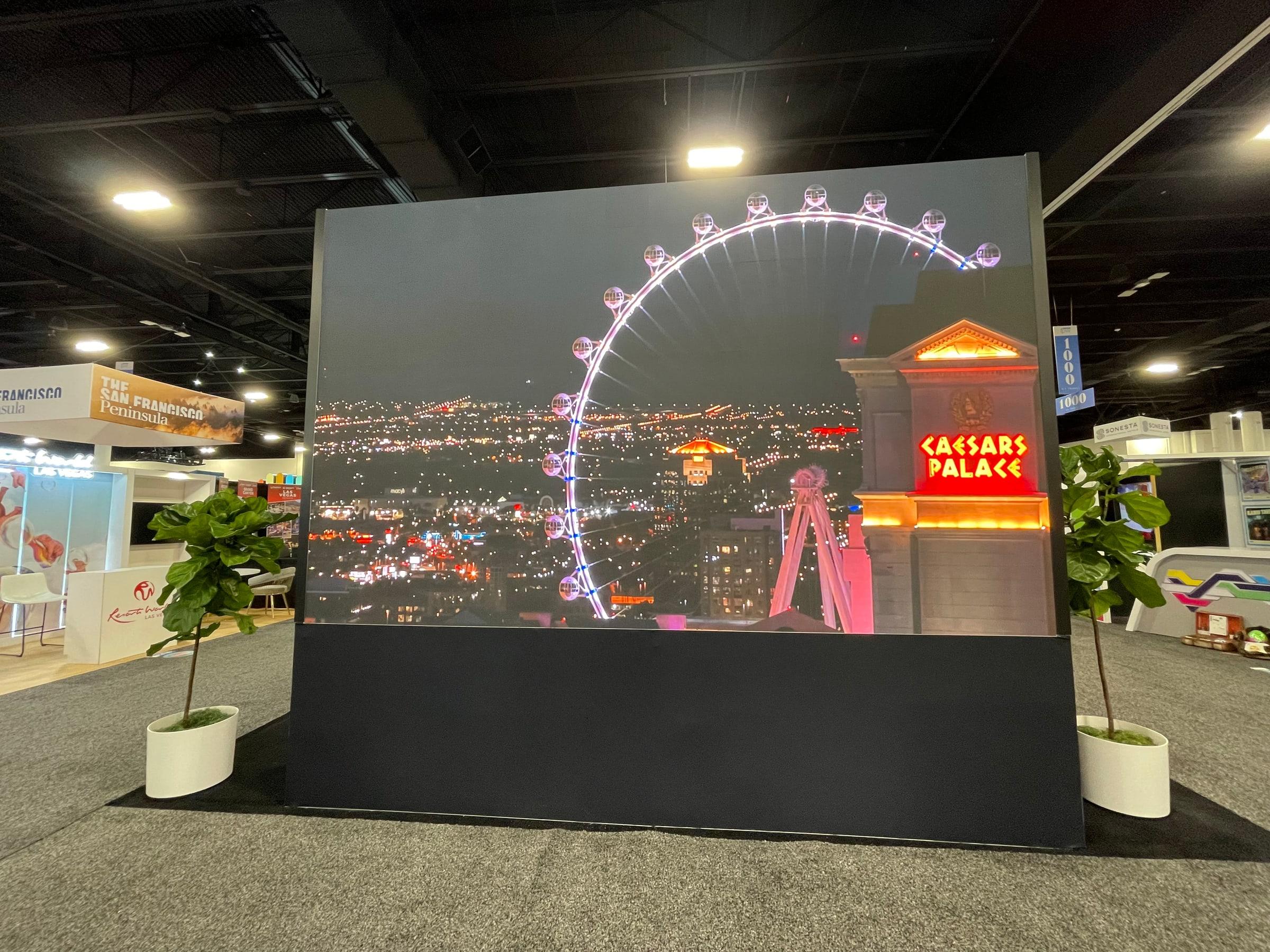
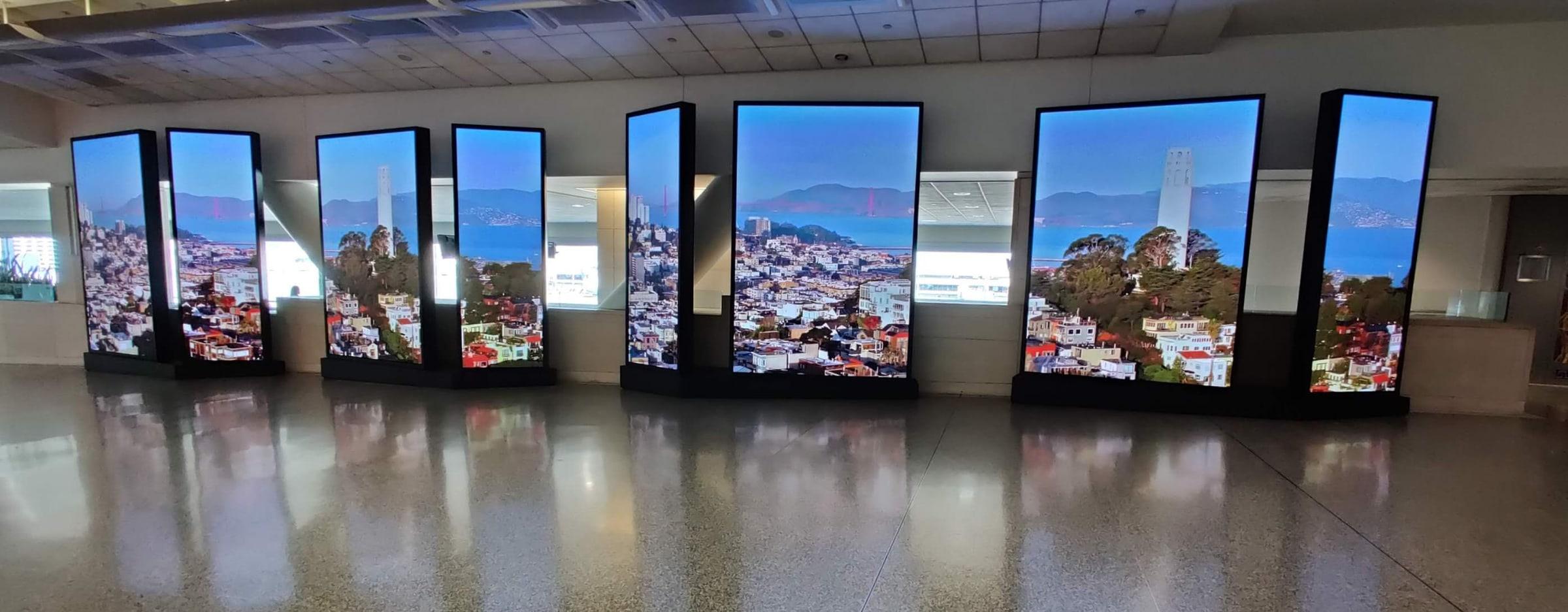
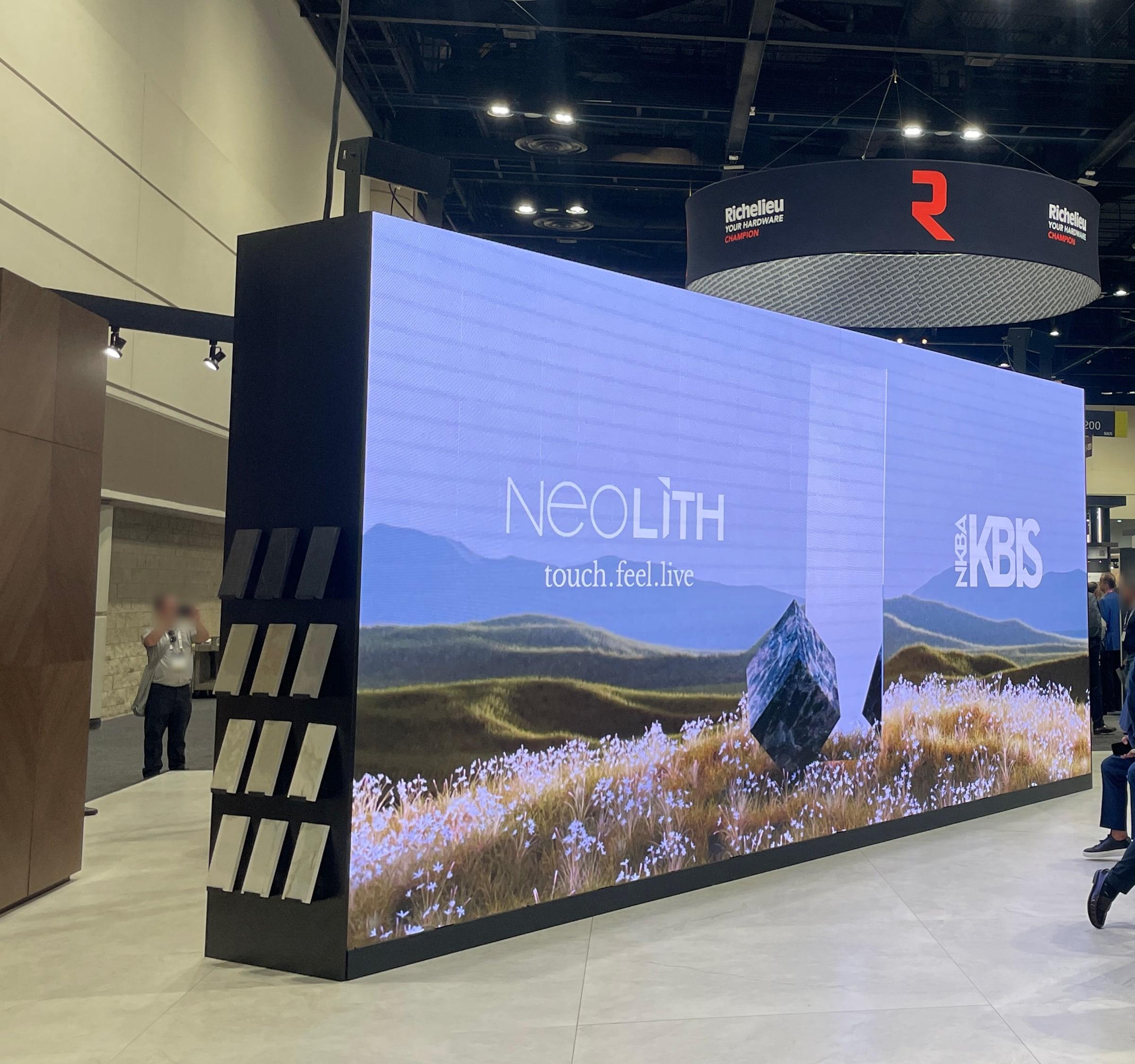
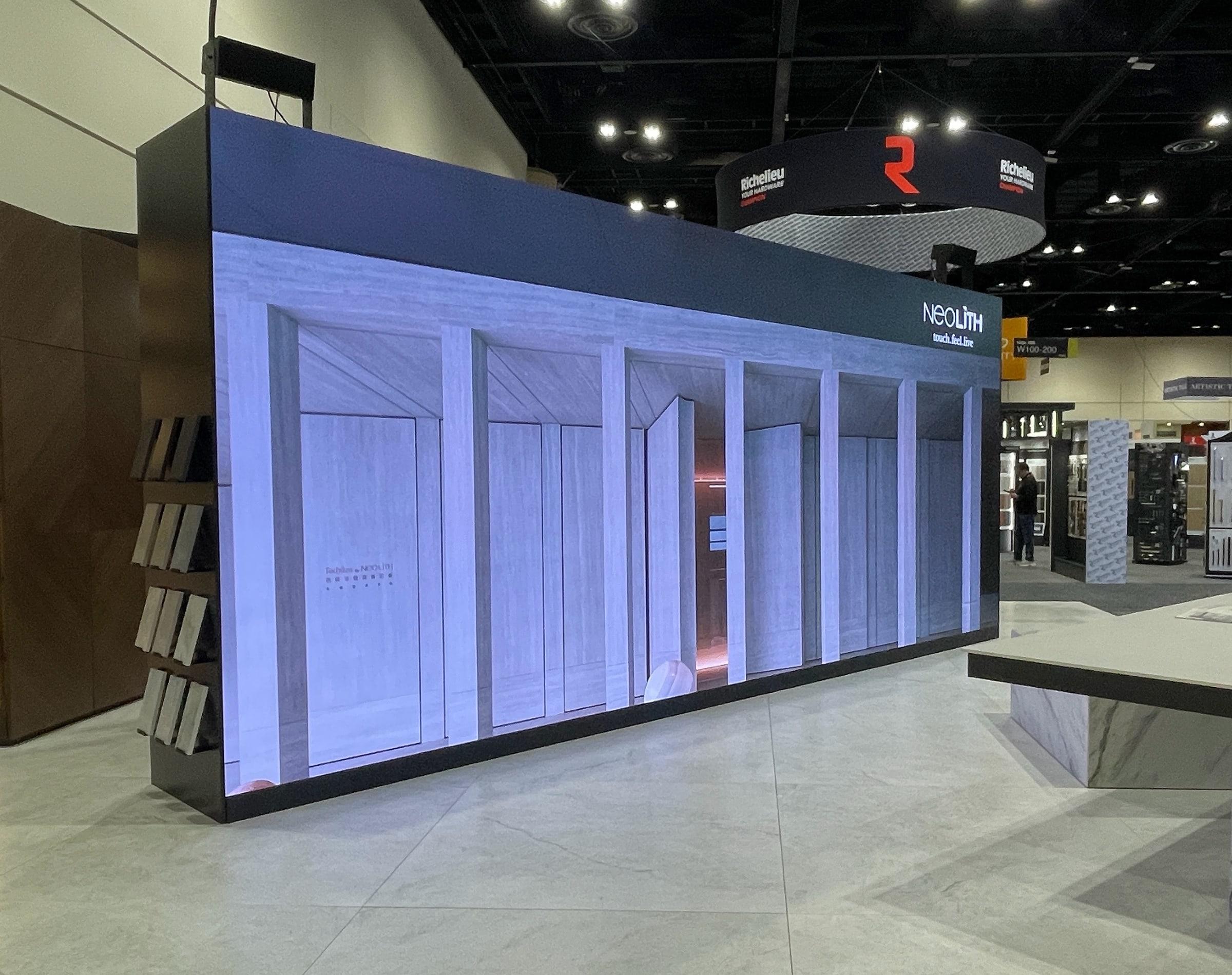
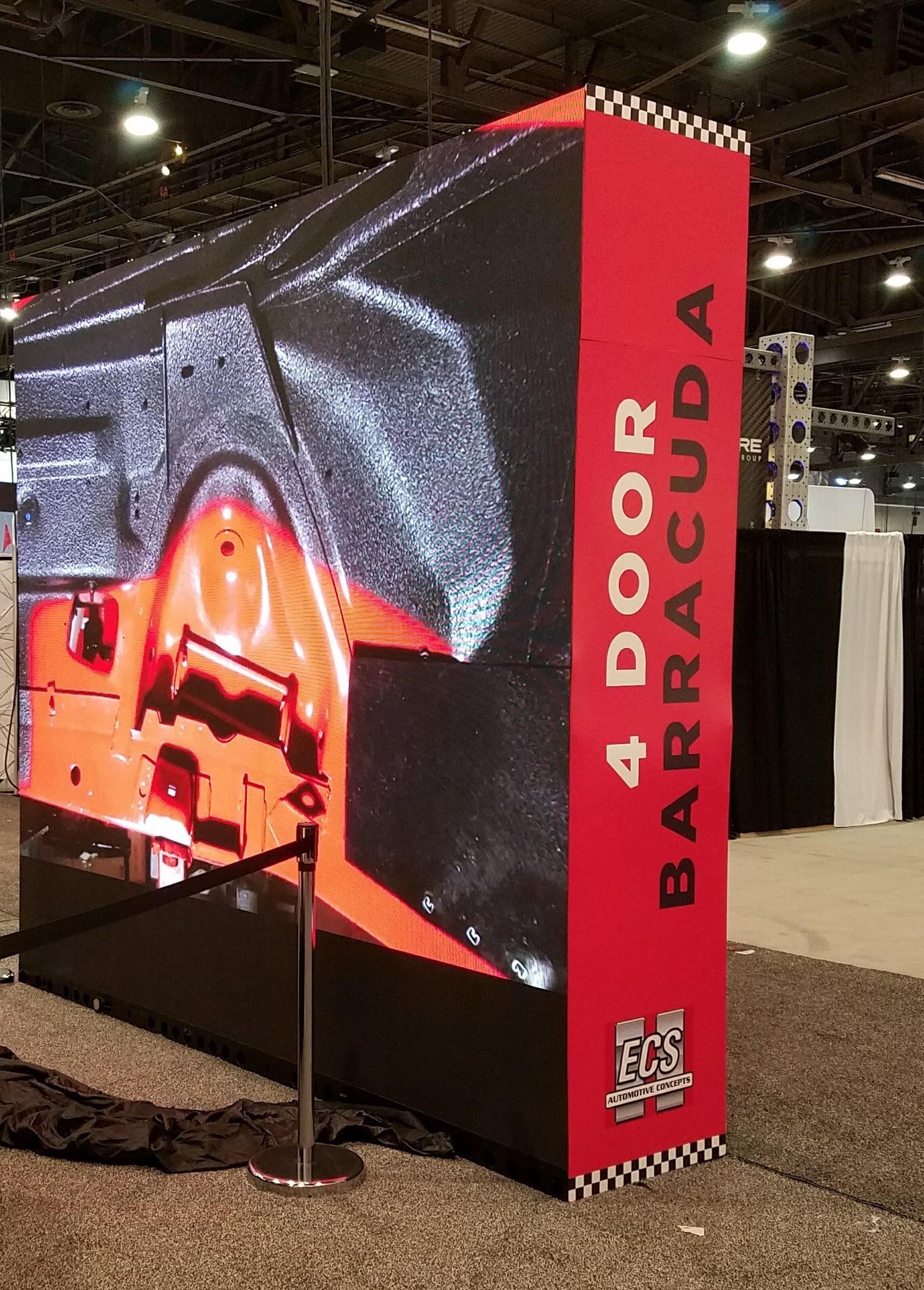
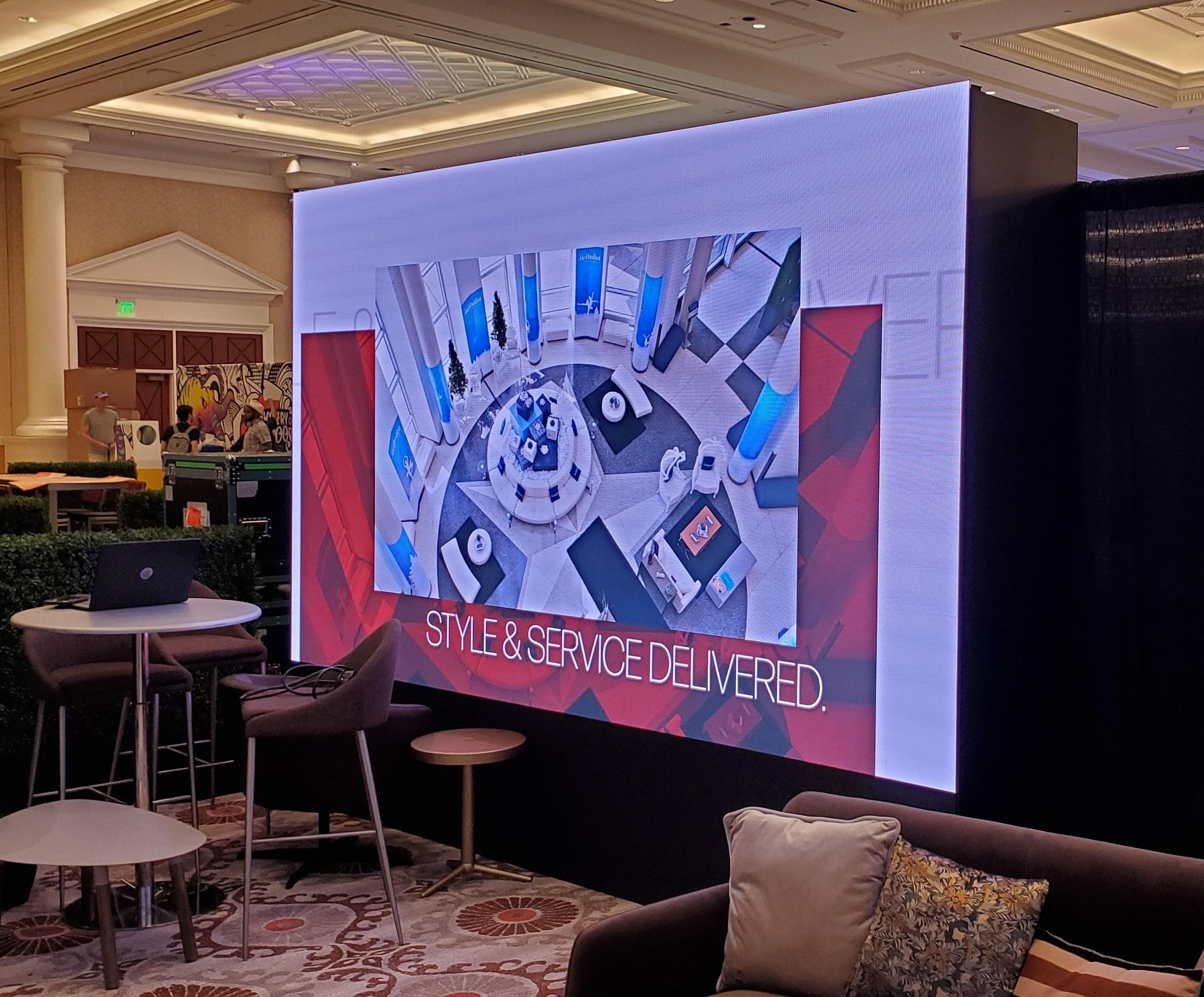
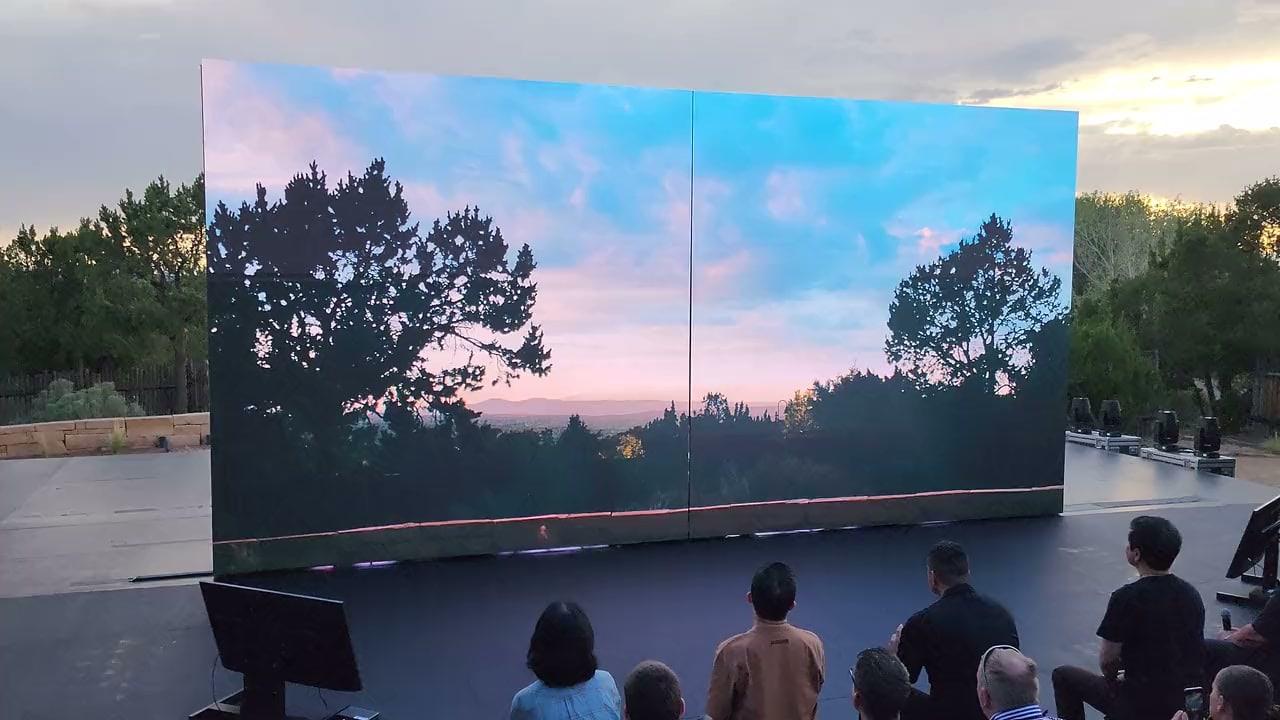
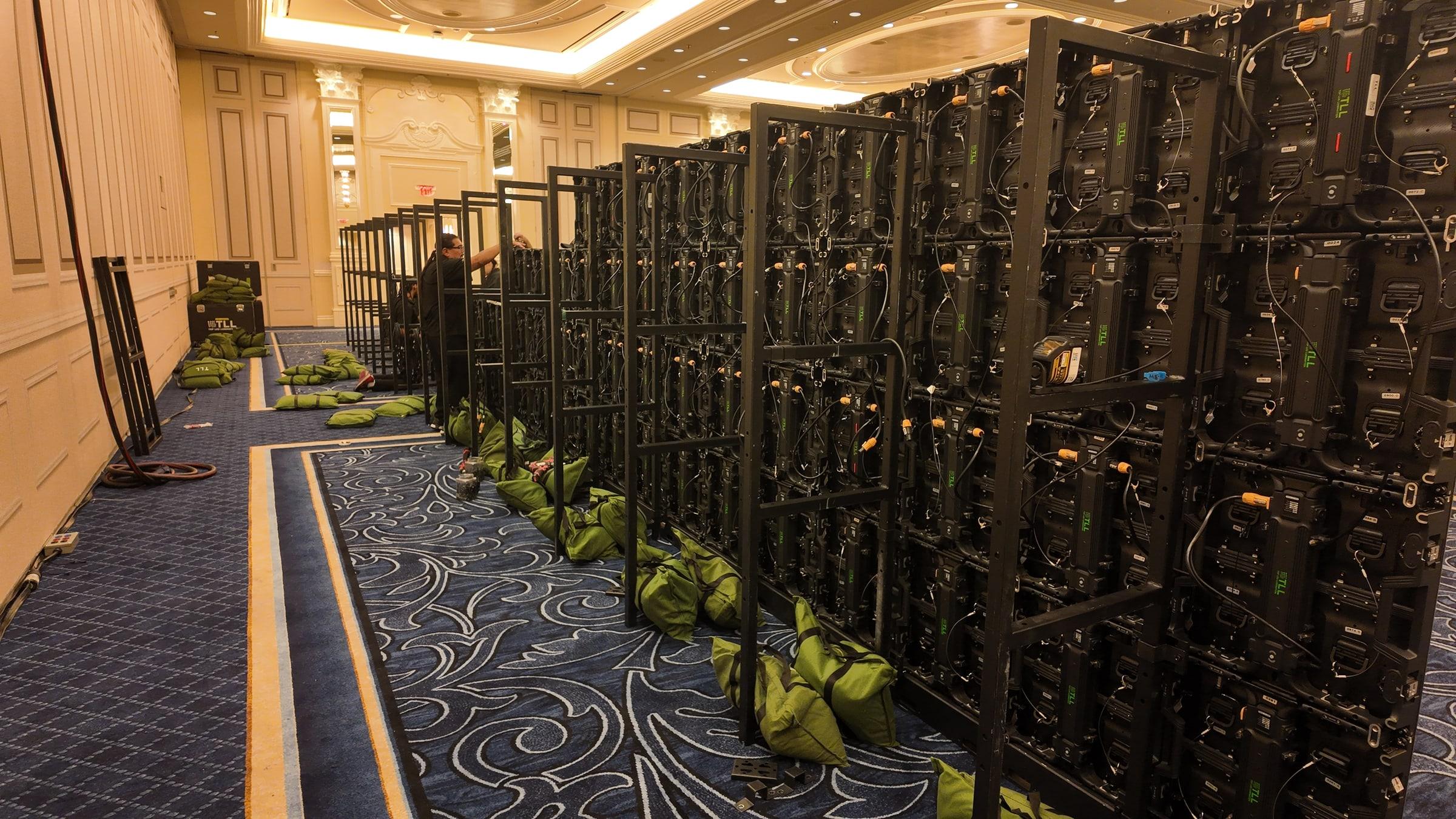
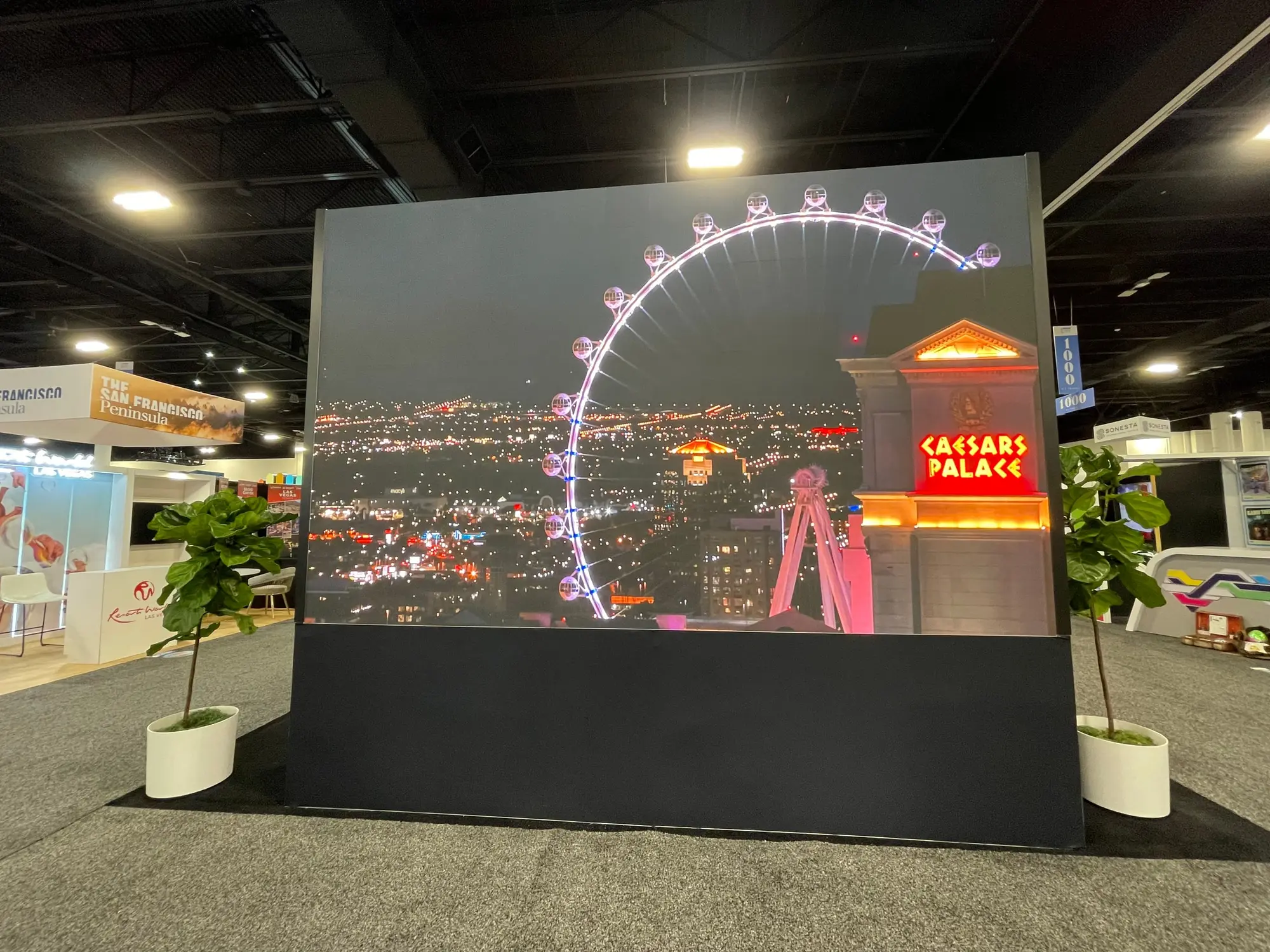
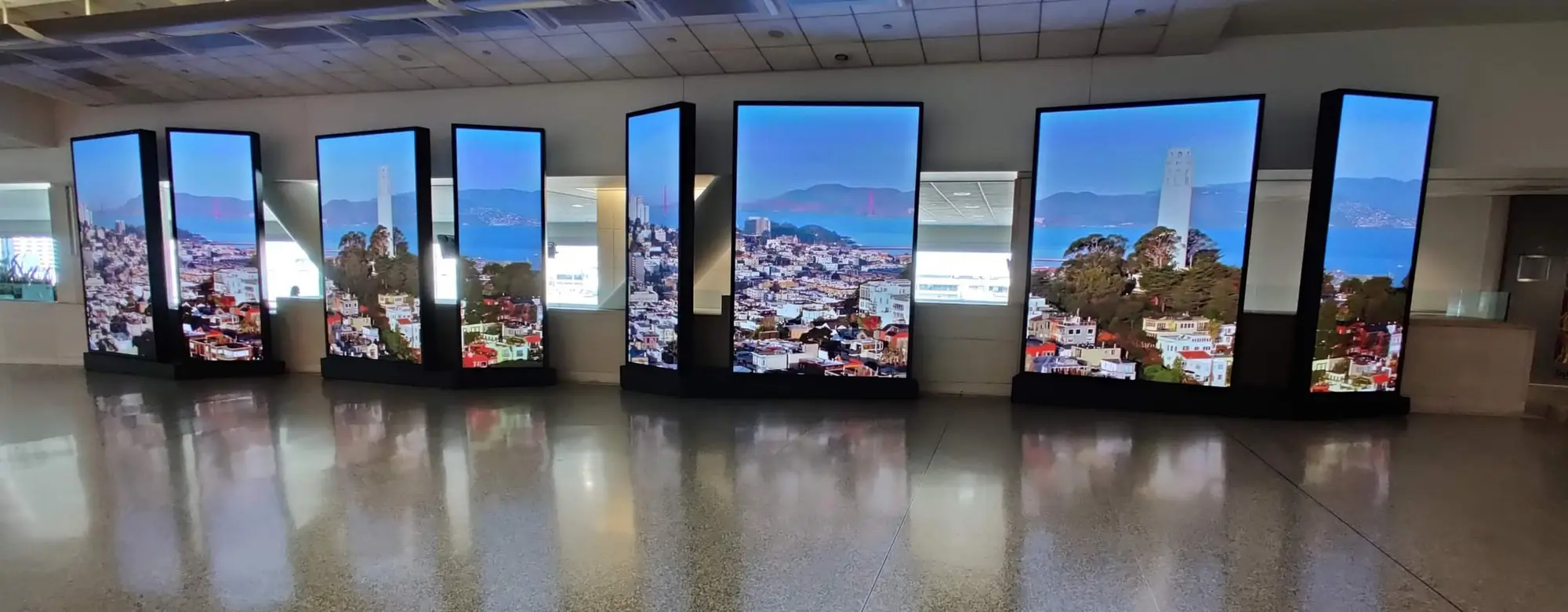
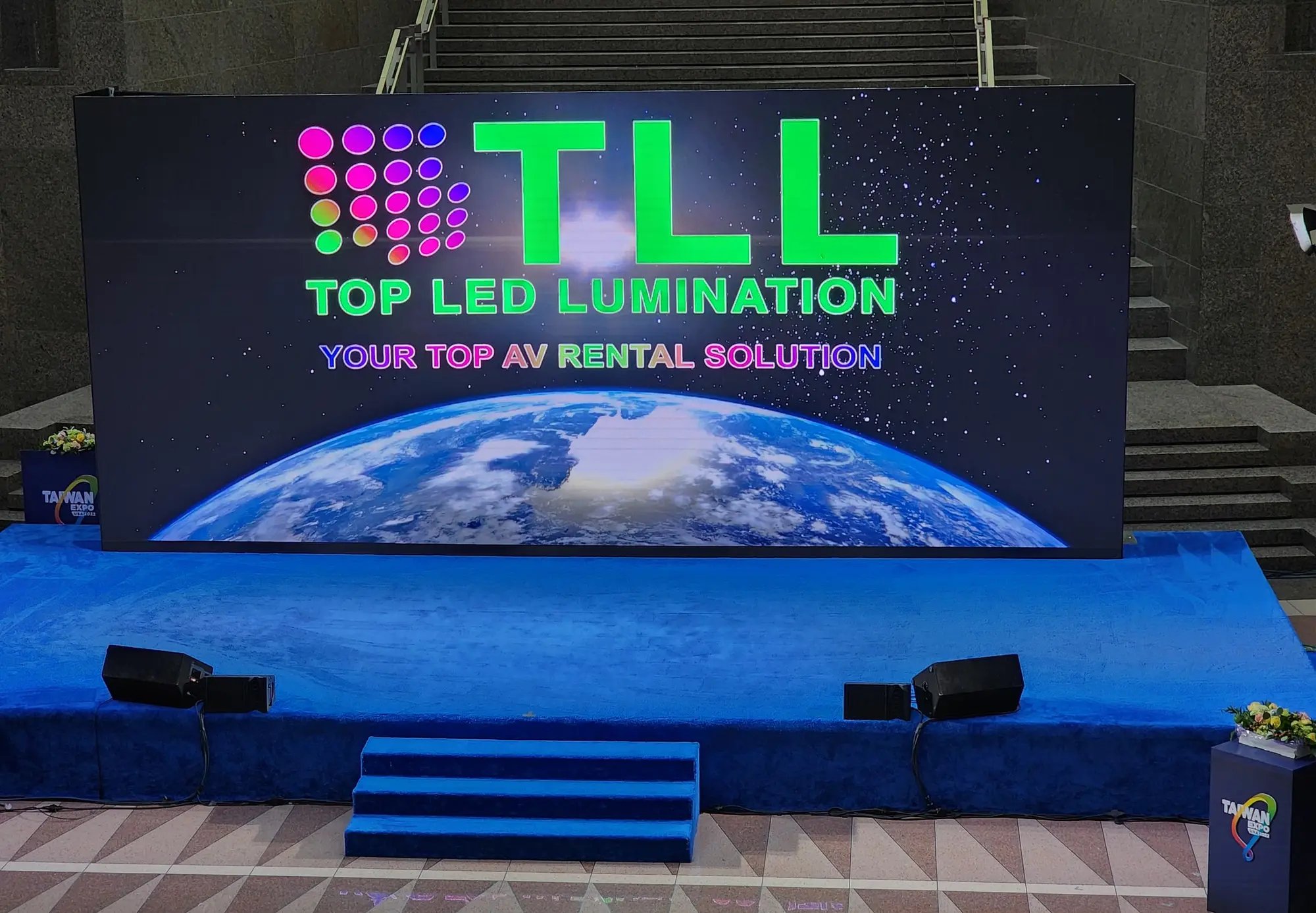
Freestanding walls that stand on their own frame on the floor.
-
-

-
-

-

-

-

-

-

-

-

-
-

-
-

-

-

-
-

-

-

-

-

-

-
-

-
-

-
-

-

-

-

-

-

-

-

-

-

-

-

-

-

-

-

-

-

-

-

-

-

-

-

-

-

-

-

-

-

-

-

-










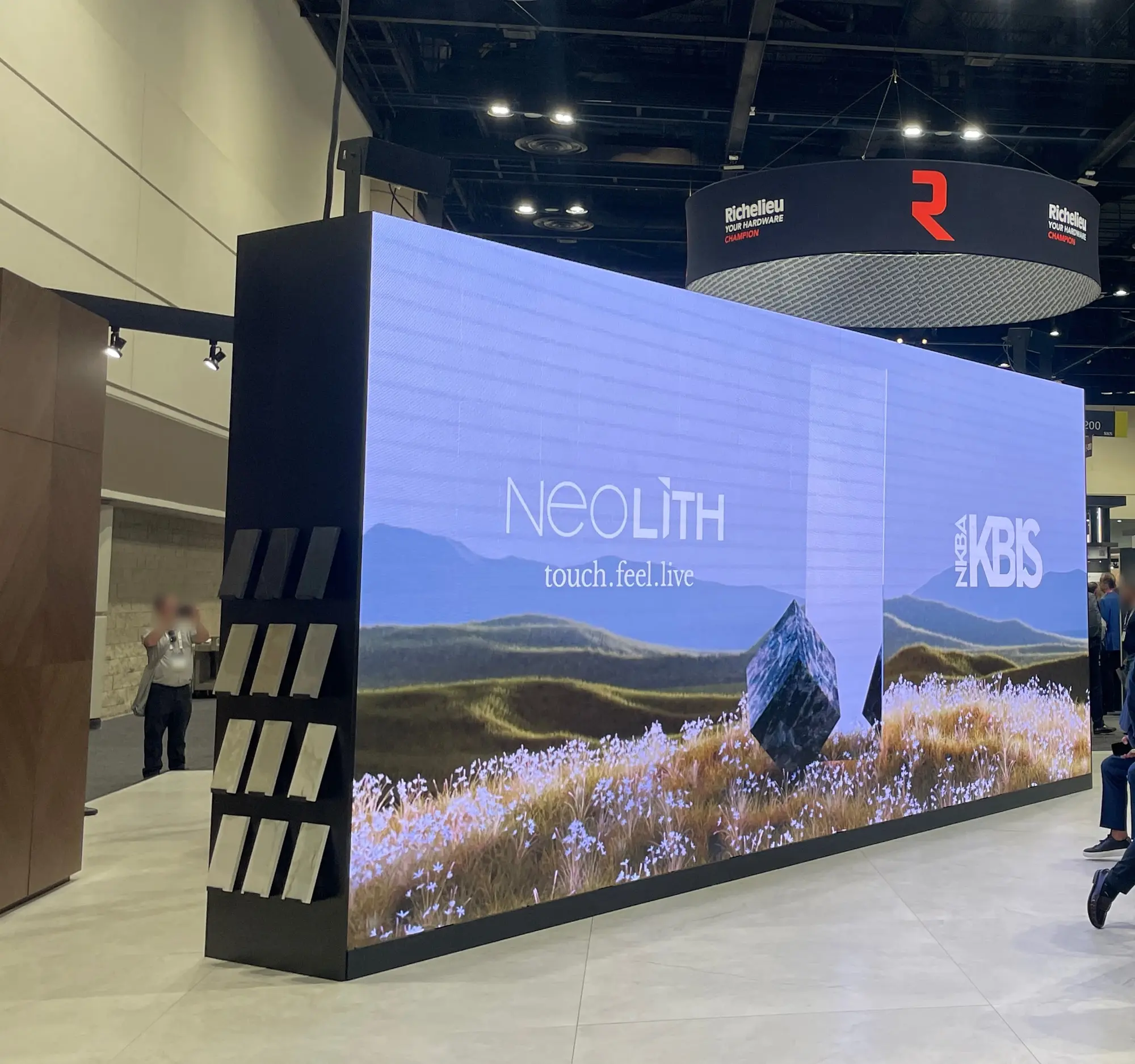



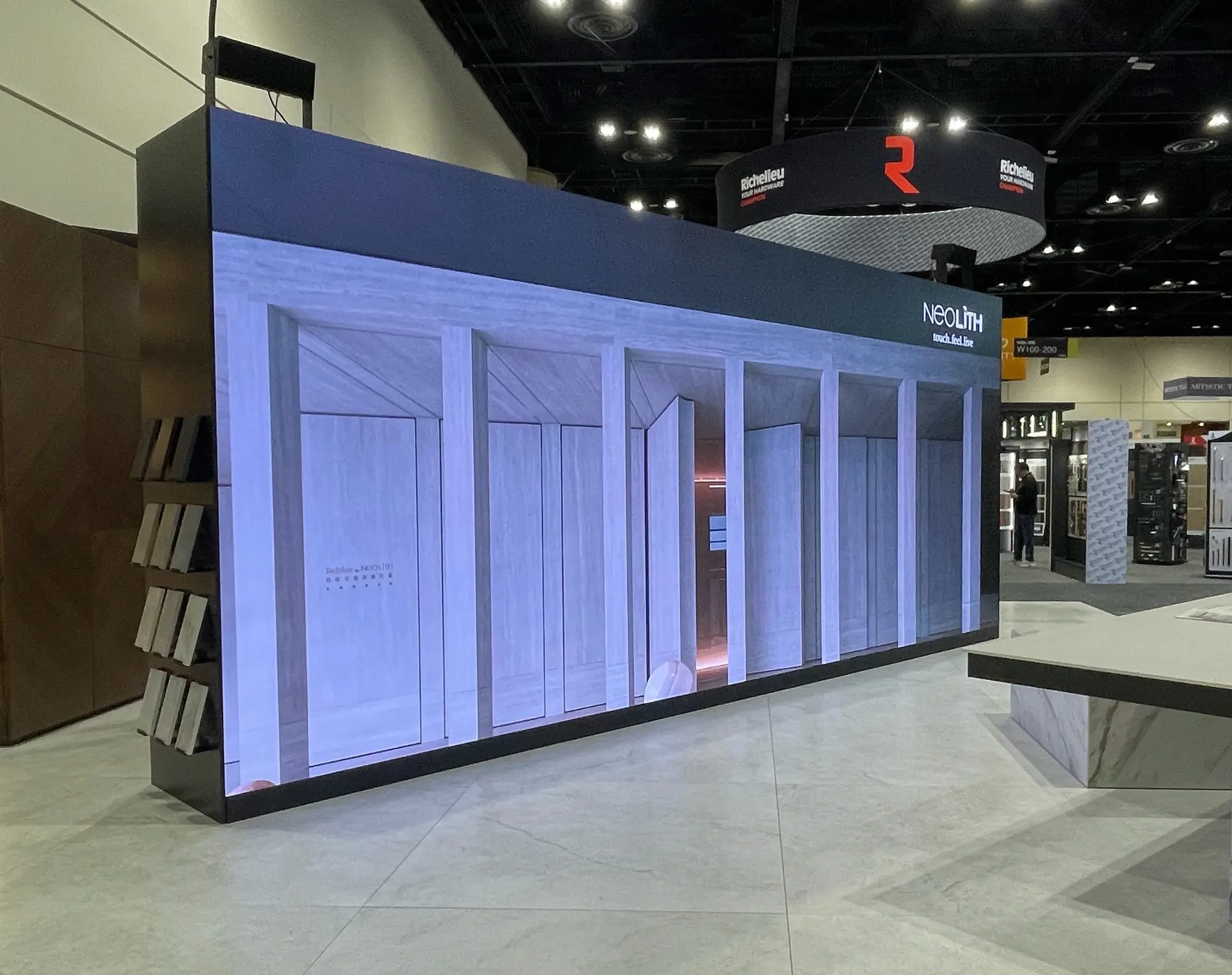








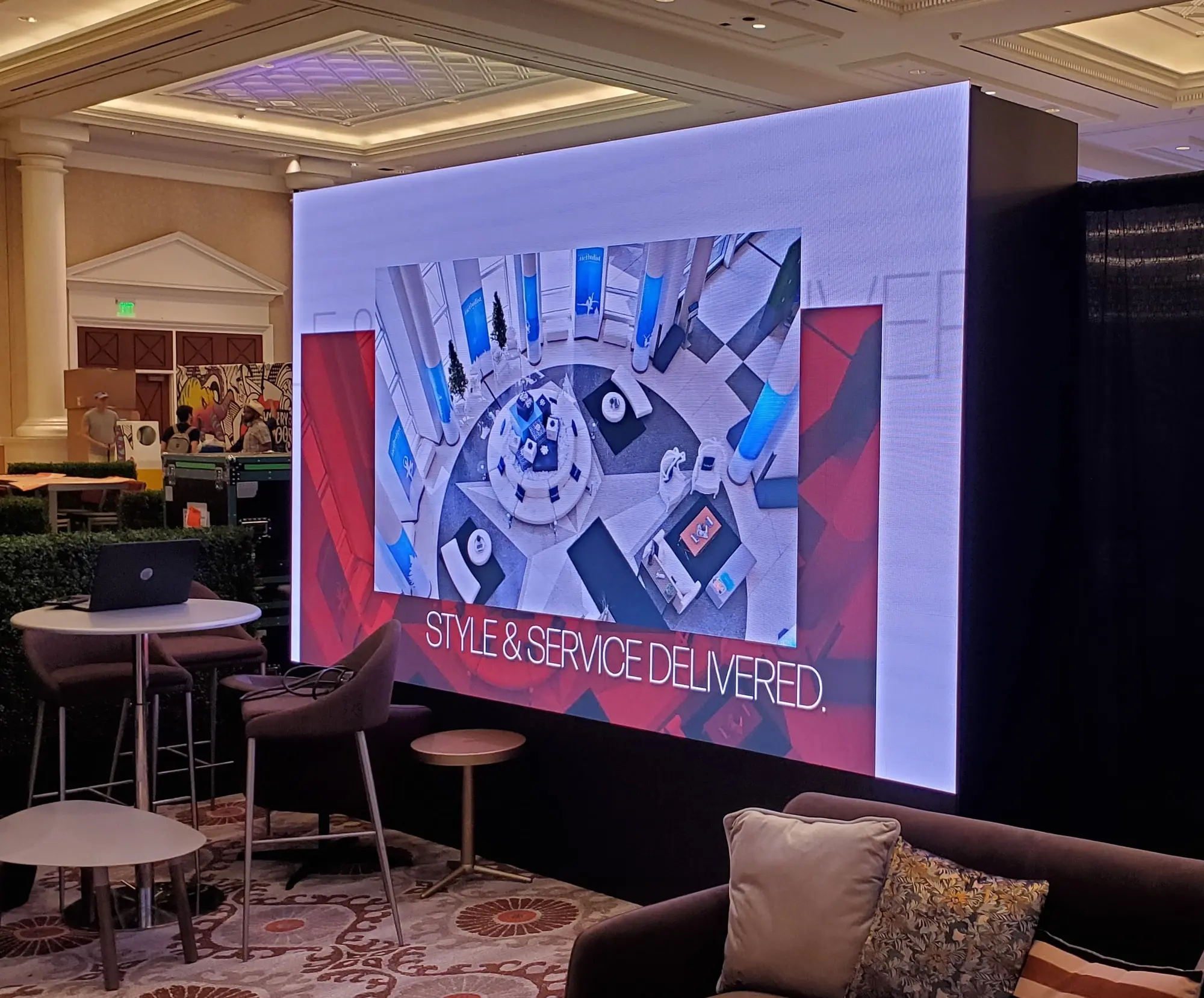


































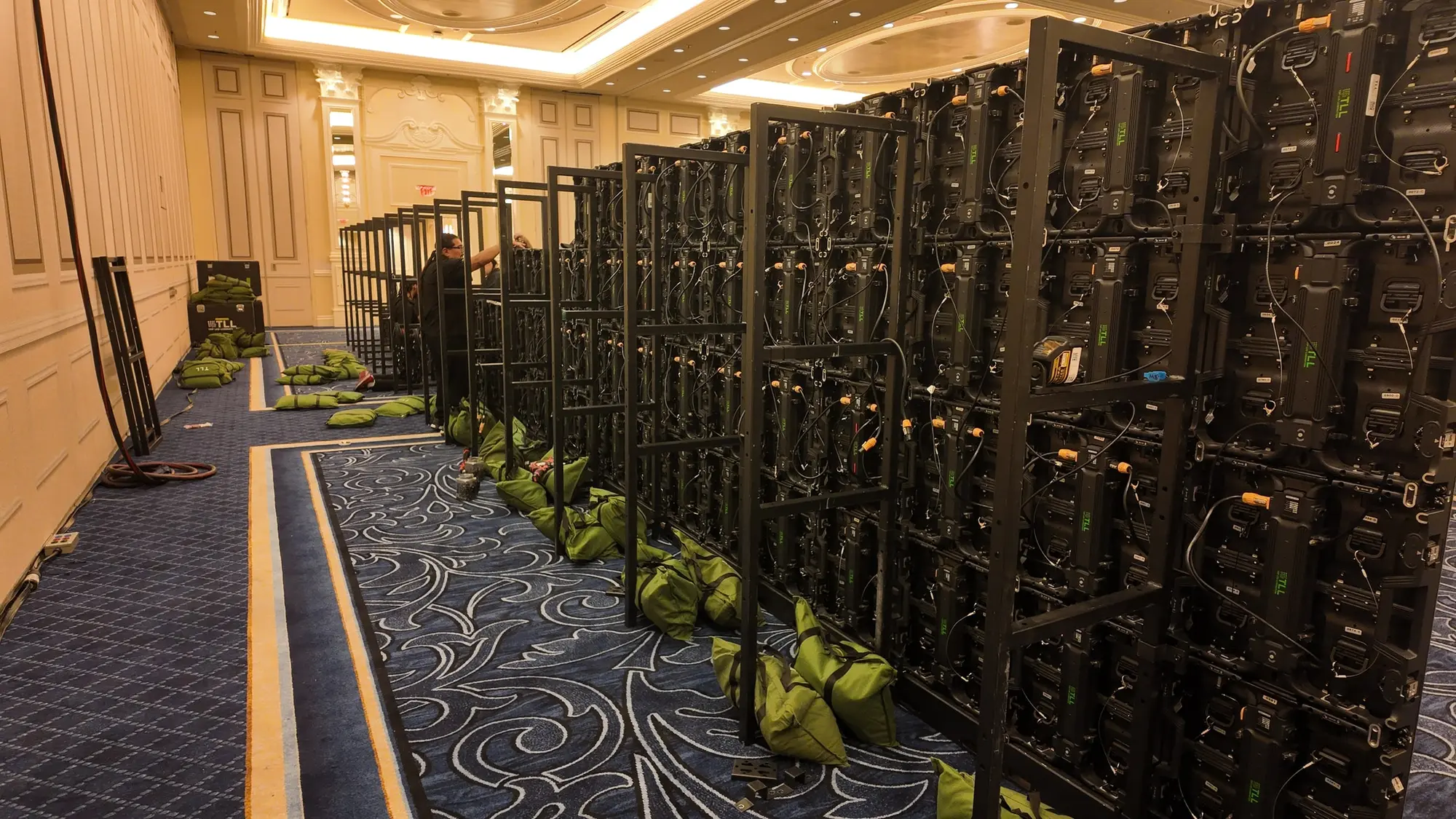
Click or tap any photo or video to see it bigger. On a call with us? Just say its number.
What makes a wall ground supported?
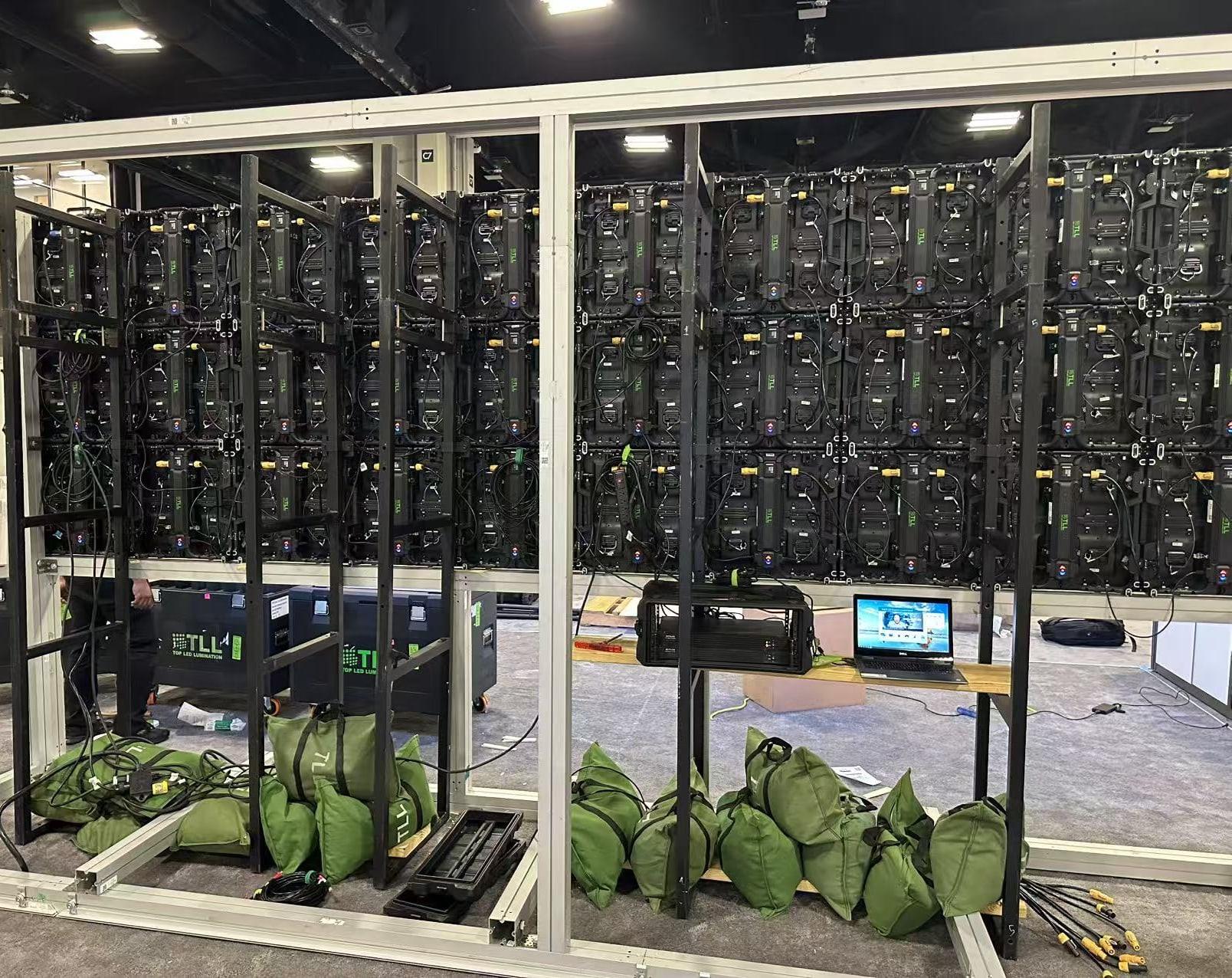
The wall stands on its own frame on the floor. Nothing hangs from the ceiling, so the venue never has to give up a rigging point.
Each photo here shows a wall standing on the floor or on a stage deck, with nothing holding it up from above. It is a good pick when the venue will not allow rigging, or when you want to skip ceiling coordination. Plan floor space for the frame, including the depth behind the screen.
The walls here range from a single freestanding screen on the show floor to a row of portrait panels in an airport concourse and a wall on a stage deck in an atrium.